Compare Local Contractors for Landscaping Soil Delivery Services
Compare local contractors for landscaping soil delivery to define scope, verify experience, and set clear expectations for a successful project.
Landscaping soil delivery involves more than just transporting soil to a property; it encompasses tasks such as sourcing appropriate soil types, preparing the delivery site, and coordinating with other landscaping elements. Contractors typically assess the specific needs of a property, including soil quality, quantity required, and any delivery restrictions or access considerations. Clear communication about the scope of work ensures that property owners receive the right type and amount of soil, facilitating successful landscaping projects and helping to prevent misunderstandings or unmet expectations.
Defining the scope of soil delivery work is essential for establishing a shared understanding between property owners and local contractors. A well-detailed scope outlines the type of soil, delivery quantities, access points, and any additional services such as spreading or grading. When scope details are documented in writing, it provides a reference that can help prevent scope creep, manage expectations, and clarify responsibilities. This clarity supports smoother project execution and can be a valuable basis for evaluating proposals or comparing different service providers.
Property owners seeking soil delivery services should consider how to compare local contractors effectively. Factors such as experience with similar projects, reputation within the community, and the range of services offered can indicate the reliability and suitability of a contractor. Additionally, verifying that contractors understand the specific requirements of the project and can provide detailed, written scope descriptions can help ensure transparency. Gathering information about each provider’s approach to scope definition and communication makes it easier to identify service providers who are capable of meeting the project’s needs efficiently and clearly.
Compare local contractors by outlining your project priorities, verifying experience, and clarifying expectations in writing.
- Compare Contractor Experience - Review the background and project history of local contractors to ensure they have relevant experience.
- Define Project Scope Clearly - Establish detailed expectations and deliverables in writing to prevent misunderstandings.
- Verify Credentials and References - Check references and verify credentials to assess the reliability of service providers.
- Request Written Agreements - Obtain all project details, scope, and terms in a written contract before work begins.
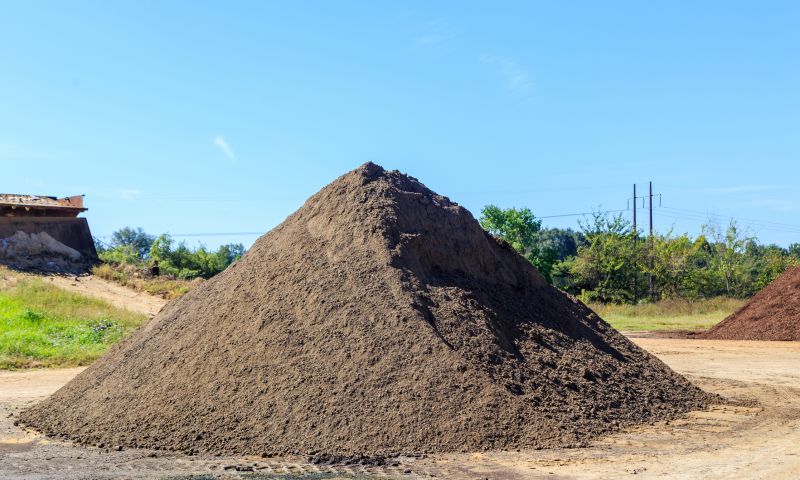
Clearly describe your landscaping soil delivery project to help compare local contractors, define scope, and set expectations effectively.
- Verify the experience and reputation of local contractors handling soil delivery. - Ensure service providers have a track record of reliable soil delivery and proper handling practices.
- Define the scope of the soil delivery, including quantity, type, and delivery area, in writing. - Clear documentation helps prevent misunderstandings and sets accurate expectations.
- Check if the contractors can accommodate specific soil types or blends required for the landscaping project. - Confirm that local service providers can supply the appropriate soil for your landscape needs.
- Review the terms regarding soil quality, sourcing, and any guarantees offered by the contractors. - Written agreements should specify quality standards and sourcing details to ensure satisfaction.
- Assess the contractors’ methods for ensuring timely and safe delivery of soil to the site. - Proper handling and delivery procedures are essential for maintaining soil integrity and site safety.
- Compare multiple local contractors to evaluate their experience, scope options, and clarity of service details. - Gathering information from different providers helps identify the most suitable options for your project.
Compare local contractors' experience and clarify project scope to ensure successful soil delivery.
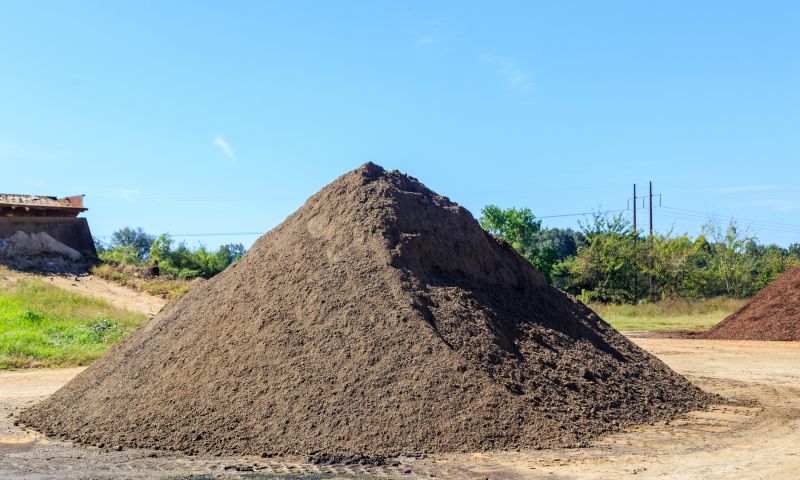
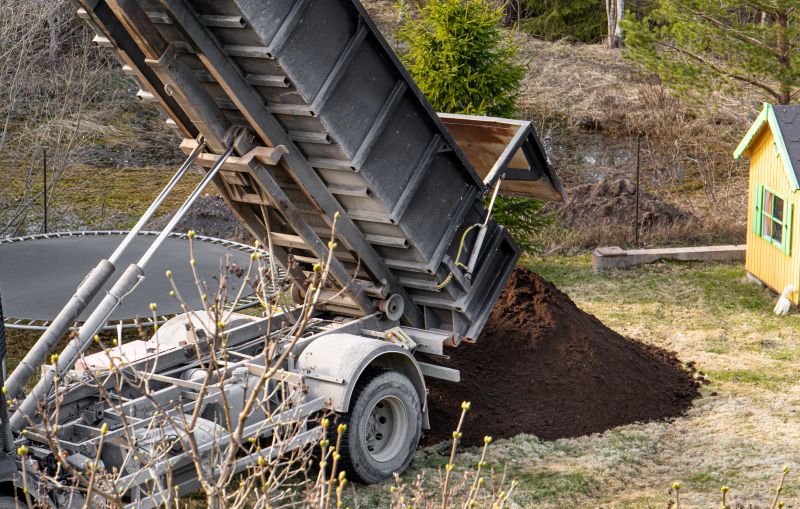
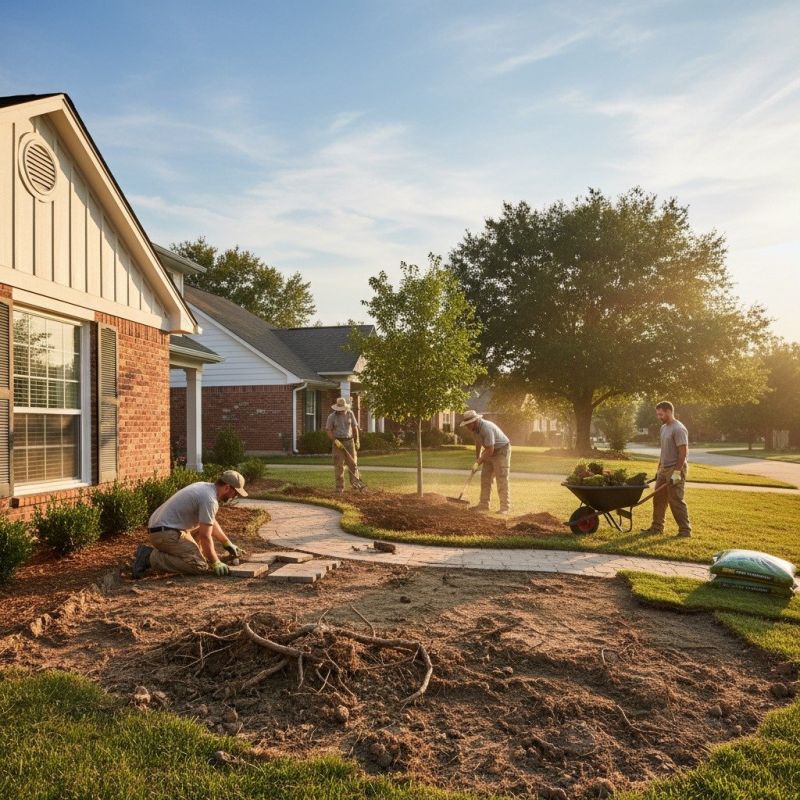
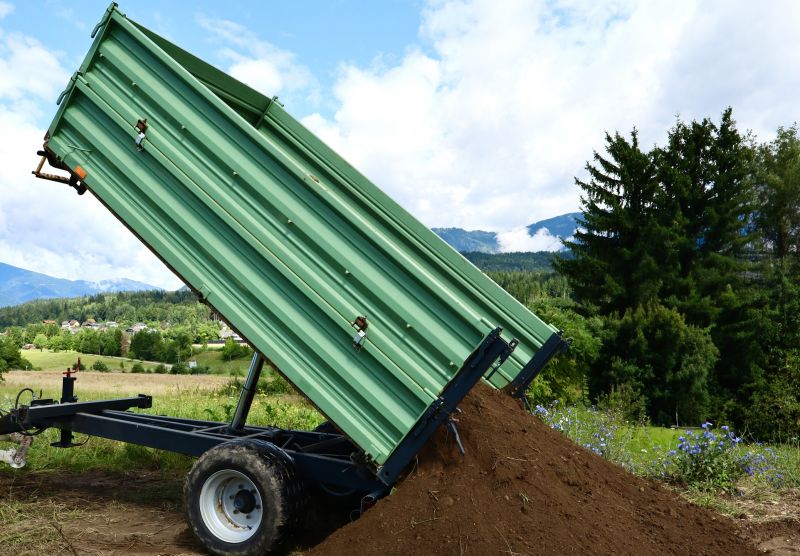
Learn how to compare landscaping soil delivery contractors by defining scope, verifying experience, and maintaining consistent expectations.
- Scope Definition - Clearly specify the type and quantity of soil material required for the landscaping project.
- Material Quality - Determine the quality standards and any specific soil composition needed for the landscape.
- Delivery Requirements - Outline the delivery location, access considerations, and any special handling instructions.
- Experience and References - Verify the experience of local contractors in soil delivery and request references or examples of past work.
- Written Agreement - Ensure all scope details, expectations, and responsibilities are documented in a formal agreement.
When comparing contractors for landscaping soil delivery, it’s important to evaluate their experience with similar projects. Service providers who have a proven track record handling soil delivery for residential landscapes can offer insights into the scope and challenges of the work. Asking about their past projects can help determine whether they have the familiarity needed for your specific site conditions, soil types, and landscape design requirements. A contractor’s experience can influence the quality of delivery and ensure that the soil arrives in a manner that supports your overall landscaping goals.
A clear, written scope of work is essential when choosing a landscaping soil delivery service. This document should outline the specific tasks involved, such as the quantity of soil, delivery locations, and any special handling or preparation needed. Having a detailed scope helps prevent misunderstandings and ensures that both parties have aligned expectations. Service providers who can provide a comprehensive written outline demonstrate professionalism and a commitment to clarity, making it easier to compare options based on the thoroughness of their proposals.
Verification basics are key in assessing the reliability of local contractors. While licensing and certification are not the focus here, it’s still valuable to verify their reputation and track record through references or reviews. Ask service providers for examples of recent projects and contact previous clients if possible. Confirming that they have a history of successful soil deliveries and satisfied customers can help build confidence in their ability to handle your project efficiently. Additionally, understanding their process for managing delivery logistics can provide insight into their operational reliability.
Evaluating options without considering prices involves examining how well each service provider’s offerings match your project needs. Consider factors such as their experience with similar landscape projects, the clarity of their scope of work, and their reputation for dependability. Look for service providers who communicate openly and provide detailed proposals, as these are indicators of professionalism. By focusing on the quality of their experience and the thoroughness of their approach, homeowners can make informed comparisons that lead to selecting the most capable contractor for their landscaping soil delivery needs.
Request written details of the scope of work to ensure clarity and consistency when comparing service providers.
- **Experience and Expertise** - What experience do local contractors have with landscaping soil delivery projects similar to this scope?
- **Scope of Services** - How do local service providers define the scope of soil delivery to ensure all needs are covered?
- **Materials and Quality** - What types of soil do local contractors typically supply, and how do they verify quality?
- **Project Expectations** - How do local pros clarify the delivery process and responsibilities in writing to avoid misunderstandings?
- **Comparison and Selection** - What criteria should be used to compare local contractors’ approaches to scope definition and project planning?
What should I consider when comparing contractors for soil delivery? It's important to review their experience, reputation, and scope of services to ensure they can meet specific project needs. Verifying how they handle logistics and delivery methods can also help in making an informed choice.
How can I define the scope of soil delivery services needed? Clearly outline the quantity of soil, delivery locations, and any special handling requirements. Communicating these details in writing helps ensure all parties understand the expectations and responsibilities.
What questions should I ask contractors about their experience with soil delivery? Inquire about their previous projects, types of soil they typically deliver, and their familiarity with handling different soil materials to gauge their expertise and reliability.
Why is it important to have agreements in writing with soil delivery contractors? Written agreements help clarify the scope, responsibilities, and expectations, reducing misunderstandings and providing a reference for the agreed-upon services.
How can I verify the credibility of a soil delivery service provider? Check references, reviews, and their track record with similar projects. Confirm that they have the necessary equipment and experience to handle soil delivery efficiently.
What should I do to ensure smooth communication with a soil delivery contractor? Establish clear channels for communication, provide detailed project information, and confirm all expectations are documented to facilitate effective coordination throughout the process.
By exploring options for landscaping soil delivery, visitors can gain a clearer understanding of how to identify reputable local contractors, define the scope of work, and verify their experience. Comparing multiple service providers through the provided quote form helps ensure expectations are set clearly and documented, supporting a smooth project process. Utilizing this approach makes it easier to find the right local contractors for soil delivery needs.
Using the quote form to connect with local service providers offers a straightforward way to gather information and compare different options. This process supports making informed decisions based on scope, experience, and written agreements, without the need for commitments or promises. It’s an effective step toward finding trusted contractors who can handle landscaping soil delivery efficiently.